
How to Choose Durable Sofa Fabric: Four Numbers Aren’t Enough
A high rub count can still produce a poor sofa.
The fabric may survive an abrasion test yet pill in use, open at the seam, change size after cleaning or transfer colour onto a pale cushion. None of those failures is disproved by a large Martindale or Wyzenbeek result.
Buyers need numbers, but they need the right numbers tied to the correct methods and end use. This is the practical way to choose durable sofa fabric without turning one laboratory result into a universal promise.
The problem with the one-number shortcut
Abrasion results are easy to compare, so they often become the headline specification. That convenience creates two mistakes.
First, Martindale cycles and Wyzenbeek double rubs come from different test systems. They should not be treated as interchangeable units or converted with a simple multiplier. Second, an abrasion result addresses a defined rubbing procedure. It does not directly measure pilling, seam slippage, snagging, colourfastness, shrinkage or how the fabric behaves on the intended sofa.
The right starting question is not “What is the highest number?” It is “Which failure would make this product unacceptable to the buyer?”
Four numbers that belong in a durable sofa fabric brief
1. Abrasion result—with the method attached
Ask for the test method, specimen details, endpoint and result. A bare figure such as “50,000 rubs” is incomplete because the method and assessment criteria shape what the number means.
The required level should come from the target market, furniture type and applicable buyer standard. Residential, hospitality and contract programs may use different thresholds, but those labels are not universal laws. A project specification or recognised market standard should govern the acceptance point.
When comparing suppliers, keep the method consistent. If one report uses Martindale and another uses Wyzenbeek, compare each against the requirement written for that method rather than ranking the raw numbers.
2. Pilling grade—after the relevant exposure
Pilling is the formation of small fibre balls on the surface. It changes appearance long before the base fabric necessarily fails. Yarn structure, fibre type, surface texture, finishing and use conditions can all influence the result.
Record the pilling method, test duration or cycle, rating scale and required grade. A rating without those details cannot support a purchasing decision. Also check whether the sample’s visual texture makes small pills more or less noticeable to the end customer.
3. Dimensional change after the approved care cycle
Washability is not established by saying that a fabric can enter a washing machine. A removable sofa cover must return close enough to its original dimensions to fit the cushion again. Stretch fabrics add another variable: recovery after both wear and cleaning.
Specify the care method, temperature, detergent, drying method, number of cycles and acceptable dimensional change. Measure length and width separately. If the finished product will be washed rather than the fabric alone, approve a sewn sample using the intended seams, zipper and edge treatment.
4. Colourfastness grade for the real contact
Colour can change under light, washing or cleaning. It can also transfer through rubbing, perspiration or contact with another surface. The relevant test depends on the end use.
A sunlit sofa needs a light-exposure decision. A dark removable cover over a pale cushion may make rubbing or transfer more important. A hospitality fabric exposed to frequent cleaning needs a care protocol that matches the colourfastness evidence.
Do not combine these behaviours into a single “fade resistant” score. Name the exposure, test method, colour tested and minimum result.
What those four numbers still miss
Seam behaviour
Many upholstery failures begin where the fabric meets thread, needle holes and furniture tension. A dense or heavy fabric can still slip at a seam if the construction, seam allowance or stitch plan is wrong. Stretch may help fitting but increase distortion when the cover is under uneven tension.
Approve the material on the actual seam type. Check curved areas, cushion corners, zippers and high-tension points instead of relying only on a flat swatch.
Snagging and pet-use exposure
Abrasion and snagging are not the same mechanism. A textured loop or loose yarn may survive repeated rubbing yet catch on claws, hardware or rough clothing. If the product is positioned for pet homes, “pet friendly” should be broken into cleanability, hair visibility, snag behaviour and any scratch-related test or sample evaluation that is actually available.
Fabric weight and construction
GSM describes mass per unit area. It is useful for controlling a construction, estimating hand and comparing approved production with a reference. It is not a universal durability score.
A heavier fabric can contain bulk, raised yarns, backing or finish that does not translate directly into longer service. A lighter, tightly engineered construction may outperform a heavier decorative fabric for a specific failure mode. Compare GSM within the same product concept, not as a shortcut across unrelated materials.
Backing, lamination and finish
Backing and finishing can change stability, hand, sewing, breathability, liquid behaviour and cleaning response. These processes depend on the selected fabric and specification. If a BOYA option uses anti-slip lamination, waterproof construction or another finish, the applicable claim and test evidence must be confirmed for that SKU rather than applied to the full collection.
A six-step sample approval sequence
- Write the failure brief. List the three outcomes the buyer cannot accept, such as pilling, colour transfer or loss of fit.
- Match each failure to evidence. Choose a test method, finished-product check or controlled sample evaluation.
- Record the material identity. Fibre content, construction, weight, width, colour, backing, finish and lot reference should stay attached to the result.
- Sew the intended construction. Use the real seam, thread, zipper, edge treatment and cushion tension.
- Run the care cycle. Inspect dimensions, appearance, colour, surface and component behaviour after cleaning and drying.
- Approve tolerances in writing. State what passes, what requires clarification and which change triggers a new sample.
The performance fabric evidence guide provides a broader framework for mapping liquid, stain, abrasion and colour claims to their verification scope.
How the checklist changes by product type
Fixed upholstered sofa
Seam performance, abrasion, pilling, snagging and cleanability often carry more weight because the fabric cannot be removed easily. The foam, frame and upholstery method should be part of sample approval.
Removable fitted sofa cover
Fit tolerance, stretch recovery, dimensional change, colour transfer and closure construction become central. A high abrasion result will not prevent returns caused by a cover that is difficult to install or does not recover after washing.
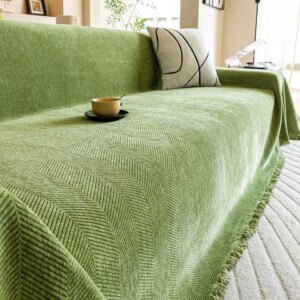
Loose sofa throw
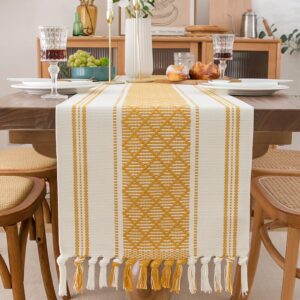
Drape, finished dimensions, pattern direction, fringe or tassel construction and wash appearance may matter more than extreme abrasion. The buyer should test edge treatment and decorative yarns, not only the main field fabric.
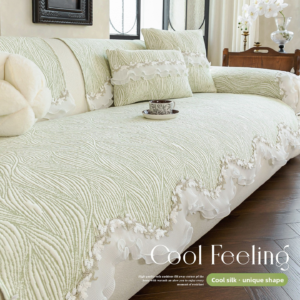
Separate sofa pad or modular mat
Piece mapping, securing method, underside behaviour and dimensional stability affect customer satisfaction. Any anti-slip claim should be verified on the relevant backing and representative sofa surface. Use the correct sofa pad collection when the product consists of separate seat, backrest or chaise pieces.
How to compare two supplier reports
Put the documents side by side and check the identity before the score:
- Does the report name the same article, construction, fibre and colour being quoted?
- Are the test methods the same?
- Were the specimens conditioned and assessed under comparable requirements?
- Is the result current enough for the buyer’s approval process?
- Does the report cover fabric, a finished composite or the completed product?
- Has a change in backing, finish, colour or supplier created a need for revalidation?
Certificates and product test reports available through BOYA are verified for the requested SKU and standard. A document from one construction should not be used to make a universal claim for every product.
A concise RFQ for durable sofa fabric
Send the supplier:
- product form and furniture drawing or reference image;
- target market and use environment;
- fibre, construction, weight, width, stretch and finish requirements;
- named abrasion, pilling, colourfastness and dimensional-change methods;
- seam, care and packaging plan;
- quantity by colour, sample requirements and reorder horizon.
Browse the current upholstery fabric options to identify a starting construction, then confirm the evidence and sampling plan for the exact article.
The durable choice is the one that survives the right failure
Four numbers can make a specification easier to scan. They cannot decide whether a fabric is right for a sofa on their own.
Use abrasion, pilling, dimensional change and colourfastness as defined checkpoints. Then verify seams, snags, construction, care and finished-product fit. The buyer who defines the unacceptable failure first will make a better decision than the buyer who simply purchases the largest number on a report.
Part of the Product Education series
Continue the durability decision path
- Map performance claims to testable evidence
- Adjust the specification for indoor and outdoor exposure
- Specify microfiber by construction and use case
Review BOYA’s sourcing FAQ, or send the end use, construction and target test methods for a SKU-specific review.
Product family: Sofa Throw Covers
Compare by product form before checking material, size and performance. A fitted slipcover, a draped throw cover and a separate sofa pad solve different fit and merchandising problems.
Sofa Covers & Slipcovers Sofa Throw Covers Sofa Pads & Seat Covers
For wholesale or private-label sourcing, confirm the exact SKU, measurements, quantity, sample terms, MOQ, packaging and production schedule before ordering. Send BOYA your specification.
🛋️ Wholesale Sofa Covers & Home Textiles
📖 Related B2B Fabric & Sourcing Guides
- Natural Textiles Are Not More Expensive — Your Supplier Is Just Buying Them WrongBiophilic design is about visual and tactile connection to nature — not about material purity.
- Sofa Cover Sample Economics: What Buyers Are Paying to VerifyA free sofa cover sample can be expensive if it answers the wrong question. A
- Social Media Tests vs Trade Shows for Fabric Market ValidationA social ad and a trade-show conversation can both produce encouraging signals. Neither proves that
- Should Amazon Sellers Enter a New Category? Use Capability AdjacencyA new category can look attractive because its market is large. But market size only
- 2025 Home Textile Trends: Colors, Textures, and Patterns Every Upholstery Buyer Should KnowEarth tones (terracotta, olive, clay) and boucle textures lead 2025 trends. Boucle is growing 40%
- → Browse All 58+ B2B Fabric Sourcing Guides
 Scan QR Code